- needhelp@company.com
- 92 888 666 0000
- 80 Golden Street USA



Blog Details
By Admin
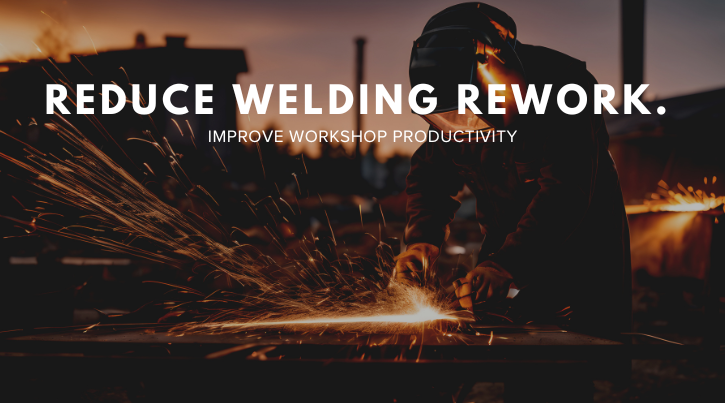
How Workshops Can Reduce Welding Rework and Improve Productivity
In fabrication and welding workshops, rework is one of the biggest hidden costs. A weak weld, excessive spatter, improper penetration, or poor consumable selection can lead to repeated welding, material wastage, project delays, and safety risks.
For workshops handling structural fabrication, machinery repair, construction equipment, automotive fabrication, or industrial maintenance, reducing welding rework is essential for profitability and long-term reliability.
At Karito, we work closely with welders, fabrication units, contractors, and workshop supervisors who face these challenges daily. This blog explains practical ways workshops can reduce welding rework while improving weld quality, safety, and productivity.
What is Welding Rework?
Welding rework happens when a weld needs to be repaired, repeated, or corrected because it does not meet the required quality standards.
Common reasons include:
- Cracked weld joints
- Porosity and weak fusion
- Excessive spatter
- Uneven bead appearance
- Wrong welding parameters
- Poor welding consumables
- Improper electrode or MIG wire selection
Even small rework issues can significantly impact workshop efficiency.
According to industrial fabrication studies, welding rework can increase fabrication costs by 5% to 30%, depending on project complexity and quality control practices.
Why Welding Rework is a Serious Workshop Problem
Many workshops focus only on completing jobs quickly. However, repeated corrections reduce both productivity and profits.
Major Impact of Welding Rework
1. Increased Material Wastage
Incorrect welding consumes additional electrodes, MIG wire, gas, and base metal.
2. Loss of Productivity
Rework means welders spend more time correcting old welds instead of completing new jobs.
3. Delayed Project Delivery
Repeated welding slows fabrication timelines and affects customer trust.
4. Higher Power Consumption
More welding cycles increase electricity usage and machine wear.
5. Safety Risks
Poor-quality welds in structures, machinery, or construction equipment can lead to operational failures and workplace accidents.
How Workshops Can Reduce Welding Rework
1. Use the Right Welding Consumables
One of the most common reasons for poor welding quality is using low-grade or mismatched welding consumables.
Choosing the correct:
- welding electrodes
- MIG welding wire
- welding current
- shielding gas
directly impacts weld quality and arc stability.
For Arc Welding
Use high-quality E6013 welding rods for smooth arc performance, easy slag removal, and reliable penetration.
For MIG Welding
Use stable-feed ER70S-6 MIG welding wire for cleaner welds and lower spatter generation.
At Karito, our:
- Arc Welding Rods
- MIG Welding Wires
are designed for consistent performance in Indian workshop conditions.
2. Maintain Proper Welding Parameters
Incorrect amperage and voltage settings are major causes of:
- weak fusion
- burn-through
- excessive spatter
- poor bead appearance
Every electrode size and MIG wire diameter requires specific current settings.
Example:
A 3.15 mm welding electrode generally performs best between 100–140 amps, depending on material thickness and joint design.
Maintaining recommended welding parameters improves:
- penetration consistency
- weld appearance
- arc control
- operator efficiency
3. Store Welding Consumables Correctly
Moisture contamination is a major issue in welding workshops.
Poor storage conditions can cause:
- hydrogen cracking
- porosity
- unstable arc performance
Best Practices
- Store welding electrodes in dry conditions
- Avoid direct moisture exposure
- Re-dry moisture-exposed electrodes before use
- Keep MIG wire sealed when not in use
Proper storage improves both weld quality and consumable life.
4. Train Welders on Application-Based Welding
Many workshops use the same welding consumable for every application. This often creates poor welding results.
Different jobs require different welding approaches.
Examples:
- Structural fabrication requires deeper penetration and stronger bonding
- Thin sheet metal work requires lower heat input
- Construction equipment fabrication needs durable weld strength under vibration and load
Workshops should use:
- the right electrode type
- correct MIG wire grade
- suitable welding technique
for each application.
5. Reduce Excessive Spatter
Spatter increases cleanup time and affects weld appearance.
Common causes:
- poor wire quality
- unstable arc
- incorrect polarity
- improper voltage settings
Using quality MIG welding wire with stable feedability significantly reduces spatter generation.
Karito MIG Wire (ER70S-6) is designed for:
- smooth wire feeding
- stable arc
- cleaner weld finish
- improved productivity
6. Focus on Welding Safety
Unsafe welding conditions often lead to rushed work, operator fatigue, and inconsistent weld quality.
Workshops should ensure:
- proper PPE usage
- stable work surfaces
- good grounding
- correct cable connections
- adequate ventilation
Safer workshops produce better weld quality and fewer operational failures.
Why More Workshops are Choosing Certified Welding Consumables
Using BIS certified welding rods and reliable MIG welding wire helps workshops maintain consistent welding quality.
Certified consumables improve:
- weld reliability
- production consistency
- operator confidence
- structural safety
Karito welding consumables are developed to support:
- fabrication workshops
- industrial repair work
- construction equipment manufacturing
- automotive fabrication
- general workshop operations
The Long-Term Benefits of Reducing Welding Rework
When workshops reduce rework, they achieve:
✔ Faster project completion
✔ Lower operational costs
✔ Reduced material wastage
✔ Better customer satisfaction
✔ Improved workshop productivity
✔ Safer welding operations
Even small improvements in welding consistency can create significant long-term savings.
Conclusion
In modern fabrication and industrial environments, welding quality directly affects productivity, profitability, and safety.
Reducing welding rework is not only about improving welding skill — it also depends on:
- selecting the right welding electrodes
- using quality MIG welding wire
- maintaining proper welding practices
- ensuring consistent consumable performance
At Karito, we believe every workshop deserves reliable welding solutions that help welders work with confidence.
Strong Welds. Safer Worksites.
To know more about Karito Welding Rods & MIG Welding Wires, call or WhatsApp +91 95991 16787.
Karito – Har Weld Mein Vishwas

.jpg)